 Skip to content
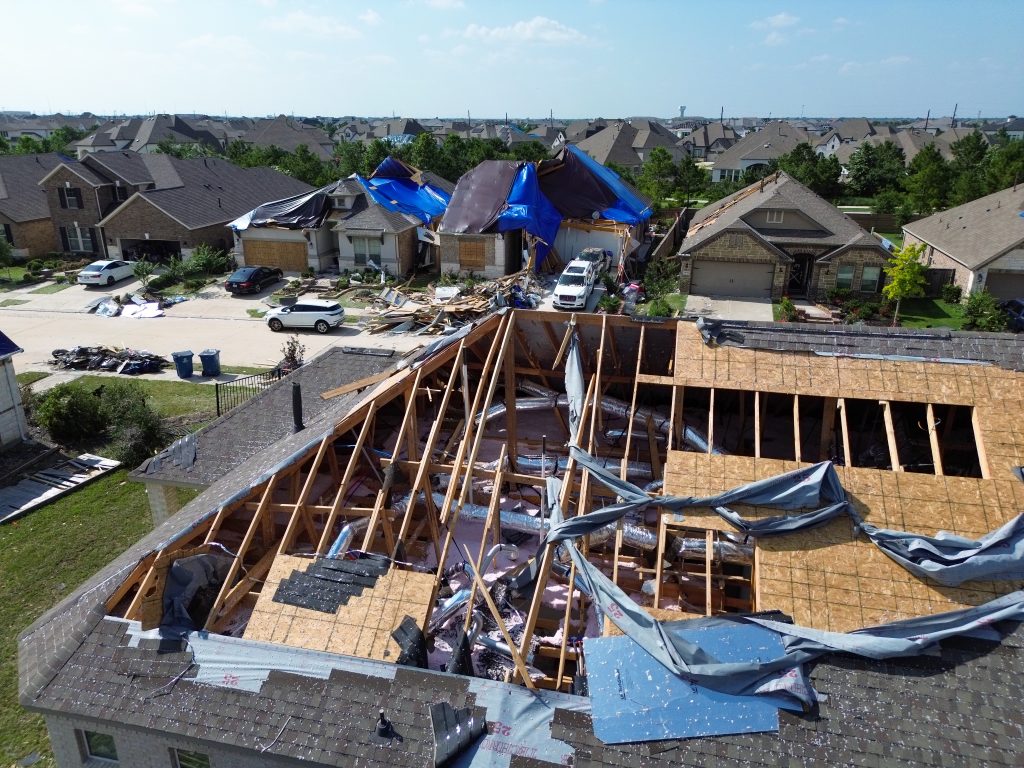
There’s a particular kind of silence that settles in after a bad storm. The wind stops, the rain eases, and you step outside — or peek through the window — and see what the storm left behind. A torn-up roof. A tree across the driveway. Water seeping under the back door. In those quiet moments after the chaos, it can feel completely overwhelming to know where to even begin.
If you’re going through that right now, the first thing we want you to know is this: you don’t have to figure it out alone. Clayton Fire and Water Restoration has been helping families and businesses in the Raleigh area and beyond recover from exactly these kinds of moments — and we’re here for you, 24 hours a day, 7 days a week.
But before we talk about how we can help, let’s take a closer look at what storms actually do to homes and properties — because understanding the damage is the first step to addressing it.
The Many Faces of a Storm
Not all storms are created equal, and neither is the damage they leave behind. The Carolinas sit in a part of the country that sees nearly every type of severe weather nature can throw at us — from tropical systems coming off the Atlantic to powerful inland thunderstorms and winter ice events. Here’s a breakdown of the most common storm types and the specific ways they can damage your home.
Hurricanes and Tropical Storms
Living in North Carolina means living in hurricane country. When a major storm rolls in from the coast, it can bring sustained winds, torrential rainfall, and flooding that no homeowner is ever fully prepared for. The most common hurricane-related damage includes roof loss or partial tearing, siding damage, broken windows, flooding of basements and lower levels, water intrusion through walls and ceilings, downed trees falling onto structures, and power outages that lead to secondary damage like spoiled goods and freezer flooding. Even a tropical storm that doesn’t reach hurricane status can dump six, eight, or ten inches of rain in a matter of hours — far more than most drainage systems can handle.
Severe Thunderstorms and Hail
You don’t need a named storm to cause serious damage. Severe thunderstorms — with their lightning, high winds, and hail — are some of the most common causes of property damage in the Southeast.A single powerful storm cell can shred shingles, dent gutters and siding, crack skylights, and drive water into attic spaces.
Hail is particularly sneaky because the damage it causes to roofing materials isn’t always visible from the ground, but it weakens the protective surface of shingles, leaving your home vulnerable to leaks for months or years after the storm.
Tornadoes and High Winds
While full-scale tornadoes are less common in the Raleigh area than in Tornado Alley, they do occur in North Carolina — and even straight-line winds from a severe storm can cause devastating structural damage. High winds rip off roofs, shatter windows, and topple trees that have stood for decades. The debris thrown by these winds can puncture siding, break through walls, and leave your home exposed to the elements until repairs can be made.
Winter Storms and Ice
Ice storms are a particular concern in central North Carolina. When freezing rain coats power lines, tree branches, and rooftops with a heavy shell of ice, the weight can be catastrophic. Ice storms cause tree limbs to snap and fall onto homes, gutters to tear away from fascia, and in severe cases, roofs to partially collapse under the accumulated weight. Ice can also back up under shingles as it melts and refreezes — a phenomenon called ice damming — forcing water into walls and ceilings.
Flash Floods
Whether caused by a hurricane, a stalled thunderstorm, or days of persistent rainfall, flash flooding is one of the most destructive forces a home can face. Floodwater doesn’t just get things wet — it carries debris, contaminants, and pathogens into your living spaces. Standing water that isn’t removed quickly leads to mold growth within 24 to 48 hours. Saturated drywall, flooring, and insulation often need to be removed entirely to prevent long-term structural and health problems.
What Storm Damage Really Looks Like Inside Your Home
It’s easy to see a missing section of roof or a smashed fence and understand that a storm caused damage. But some of the most serious consequences of storm damage are less obvious — and they get worse the longer they’re left unaddressed.
The most common and most insidious form of storm damage. Even a small gap in your roof or a cracked window seal can allow gallons of water to flow into wall cavities, attic insulation, and subfloors. You might not notice it for days or weeks — until a dark stain appears on the ceiling, a floor starts to buckle, or you notice a musty smell that won’t go away.
Wind events can range from obvious to hidden. A tree limb through a roof is unmistakable, but wind stress can also loosen roof decking, shift wall framing, and compromise the integrity of a home in ways that aren’t immediately visible. A professional assessment is essential to catch these issues before they become bigger — and more expensive — problems.
One of the most serious secondary consequences of storm damage. Mold can begin to grow in damp building materials within 24 to 48 hours after water intrusion. Left untreated, it spreads through walls and ceilings, poses serious health risks to occupants, and can require extensive remediation that goes far beyond the original water damage repair.
Includes not just fallen trees, but broken glass, gravel or granules from roofing, and foreign objects driven into siding or windows. Each entry point for debris is also a potential entry point for water and pests.
How Clayton Fire and Water Restoration Helps You Recover
When a storm damages your home or business, what you need most is a team that responds fast, assesses the situation clearly, and takes care of everything — so you can focus on your family rather than coordinating a dozen different contractors.
That’s exactly what Clayton Fire and Water Restoration was built to do.
We Answer 24/7 — Always
Storms don’t wait for business hours, and neither do we. You can reach our team any time of day or night by calling (919) 889-8237. When you call, a real person answers — not a voicemail, not an automated system. We’ll gather the details of your situation and dispatch a trained response team to your property as quickly as possible.
We know that every hour of delay after a storm can mean more water intrusion, more structural stress, and a higher repair bill. Speed matters, and we take that seriously.
Decades of Experience You Can Count On
Clayton Fire and Water Restoration brings decades of experience to every job. We’ve seen the full range of what North Carolina storms can do to homes and businesses, and we know how to respond effectively no matter the type or intensity of the damage. That experience means we’re not guessing when we assess your property — we’re drawing on years of real-world knowledge to give you an accurate picture and a reliable plan.
Thorough, Compassionate Assessment
When our team arrives, the first thing we do is make sure your property is safe for our crew and for your family. Then we conduct a thorough, room-by-room assessment to document all visible and hidden damage. We’ll check the roof, siding, windows, structural elements, and look for signs of water intrusion in walls, ceilings, and floors.
We explain everything we find in plain language — no confusing jargon, no vague estimates. You’ll know exactly what’s damaged, why it matters, and what the next steps are before any work begins. We treat your home with the same respect and care we’d want for our own.
Immediate Protection to Stop the Bleeding
One of the most important things we do in the immediate aftermath of a storm is prevent further damage. Depending on what we find, that can include temporary tarping of compromised roofing, boarding up broken windows or damaged walls, setting up water extraction and drying equipment to begin removing moisture, and safely clearing dangerous debris from your property.
These emergency measures are critical. An unprotected opening in your roof can allow hundreds more gallons of water to enter during the next rain event. Acting fast on these protective steps can make a significant difference in the scope of your eventual repairs.
All-In-One Restoration Services
Here’s one of the things that truly sets Clayton Fire and Water apart: we are a full-service, all-in-one restoration company. That means you don’t need to separately hire a water mitigation company, a drywall contractor, a flooring specialist, and a roofing crew. We handle it all — from the emergency response through to the completed restoration.
Our storm damage services include water extraction and structural drying, dehumidification and moisture control, repair or replacement of damaged drywall, flooring, ceilings, and insulation, roof tarping and coordination of permanent roofing repairs, debris removal and safe disposal, and odor remediation when needed. We serve both residential and commercial properties, so whether your home or your business has been damaged, we have the expertise and equipment to handle the job.
We’re also proud to be IICRC certified and fully licensed and insured, which means you can trust that every member of our team meets the highest professional standards in the restoration industry.
We Work With Your Insurance
Dealing with an insurance claim on top of storm damage can feel like too much to handle at once. Our team provides thorough, detailed documentation of all damage we identify — the kind of clear, organized records that make it easier for your insurance adjuster to understand what happened and what’s needed. We’re experienced in working alongside insurance processes and can help guide you through the claims experience, making a difficult situation a little more manageable.
Advanced Technology for Accurate Restoration
Clayton Fire and Water uses industry-leading tools to ensure our assessments and restorations are as accurate and thorough as possible. One of those tools is Matterport, a 3D imaging and visualization platform that allows us to create detailed digital captures of damaged spaces. This technology gives us — and your insurance company — precise measurements and a clear visual record of the damage, which translates to more accurate repair planning and better outcomes for you.
You’re Not Alone — We’re Here When You Need Us Most
One of the things we hear most often from customers after they’ve worked with us is how much it meant to have someone they could trust show up quickly and take charge of a confusing, stressful situation. That’s not an accident — it’s the heart of who we are.
Clayton Fire and Water Restoration is a locally owned business. We live and work in this community. When a storm tears through Johnston County, Wake County, or anywhere else in our service area, those are our neighbors who are dealing with the aftermath. We take that personally, and we bring that sense of care to every job we do.
No family or business should have to navigate storm damage alone. Whether the damage to your property is minor or major, whether it happened last night or a week ago, we want to hear from you.
Ready to Get Started? Contact Us Today — Free Consultation
If your home or business has been damaged by a storm, don’t wait. Call us now at (919) 889-8237 — our team is available 24 hours a day, 7 days a week, 365 days a year. We’ll respond promptly, assess the situation thoroughly, and get to work restoring your property and your peace of mind.
We also offer free consultations — so there’s no cost or commitment to simply have one of our experienced professionals come take a look and talk through your options with you.
Clayton Fire and Water Restoration serves homes and businesses within 100 miles of Clayton, NC, including Raleigh, Durham, Fayetteville, Greenville, New Bern, Jacksonville, Williamston, Zebulon, and the surrounding areas.
Your home. Your business. Restored with care. We’re here — just call.

